-
Official Websites of
-
MINISTRY OF
PLANTATION AND COMMODITIES -
No. 15, Level 5-13, Persiaran Perdana, Presint 2, 62654 Wilayah Persekutuan Putrajaya


ARKIB BERITA
- Details
- Hits: 365
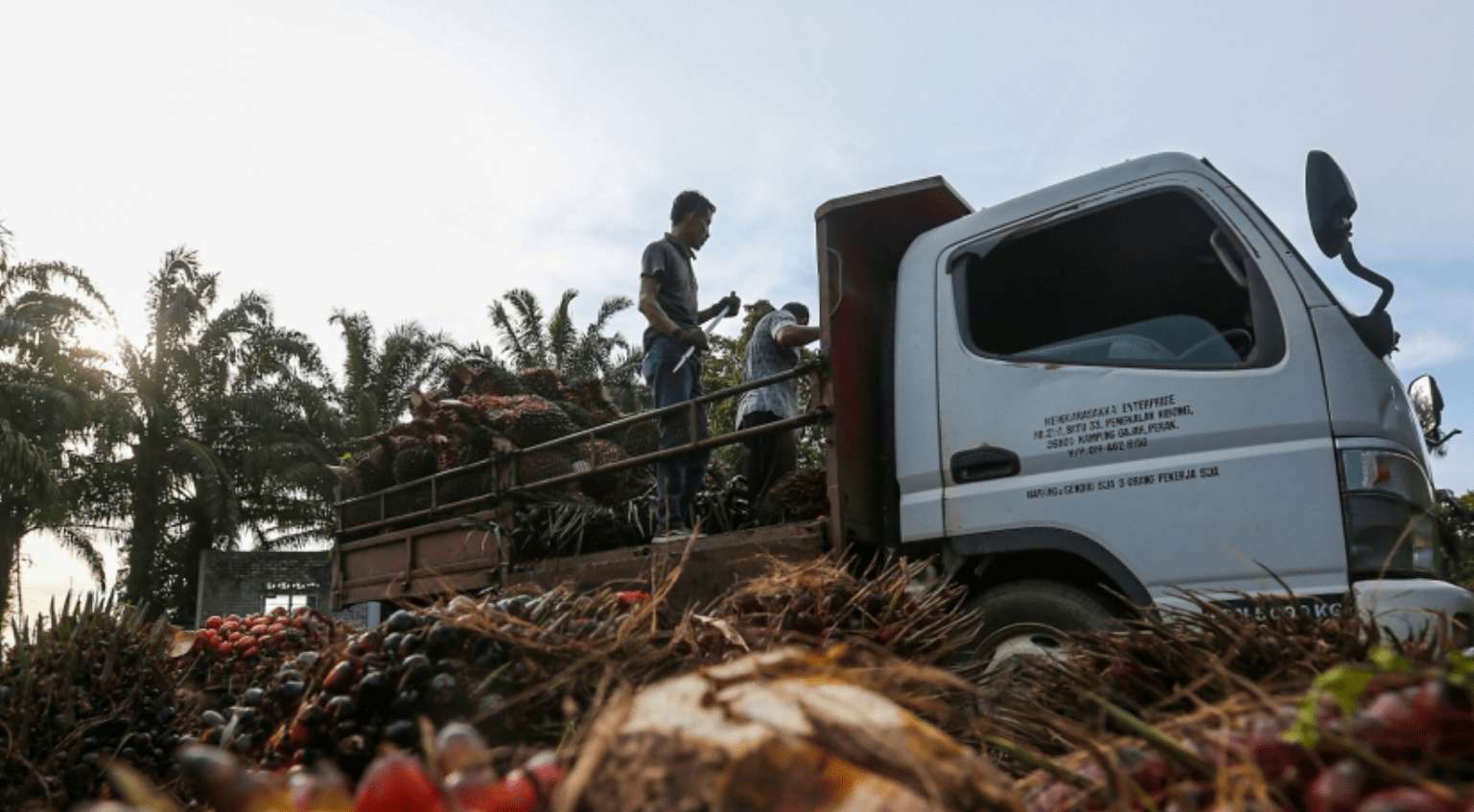
KUALA LUMPUR, March 19 ― Crude palm oil (CPO) prices are anticipated to pull back to the RM3,800 to RM4,000 per tonne trading range in April 2024 from the current level of RM4,250 per tonne, said the Malaysian Palm Oil Council (MPOC).
This is due to the ample supply of soya beans from South America entering the global market from April onwards, as well as the gradual seasonal recovery of palm oil production in Malaysia, it said.
"As the low season for palm oil production concludes in March, palm oil prices may begin to reflect the recovery in production and inventory levels in April and May, potentially capping palm oil prices.
"Additionally, the price premium of palm oil over soft oils continued to widen in March and have surpassed the prices of three major soft oils concurrently since February in the European market,” it said in a statement today.
According to MPOC, CPO prices are trading at a premium of US$40 (RM189.17) to US$95 per tonne above soft oils in March 2024, therefore, a recovery in soft oil prices is anticipated in April 2024 to narrow the price spread.
"CPO prices surged to their highest level in 12 months on March 15, 2024, nearly 10 per cent above the February 2023 closing price.
"The strong price trends observed in the first quarter of 2024 are predominantly shaped by the dynamics of deficit supply growth,” it said.
Moving forward in 2024, MPOC said the global palm oil production is projected to rise minimally by 0.11 per cent, whereas production growth for soya bean oil is expected to increase by 2.88 per cent, rapeseed oil to grow by 3.48 per cent, and sunflower oil to expand by 3.94 per cent.
In terms of inventory, it said Malaysian palm oil stocks continued their downward trend in February 2024, dropping by five per cent to 1.919 million tonnes, marking the lowest level of stock registered since July 2023.
"The reduction in palm oil inventory in February was primarily driven by reduced imports and robust domestic consumption,” it said.
MPOC said it is unlikely that Malaysia's palm oil stocks will experience any growth in March due to robust domestic consumption, particularly during the Ramadan month, while production is not expected to increase until April and beyond. ― Bernama
https://www.malaymail.com/amp/news/money/2024/03/19/malaysian-palm-oil-council-cpo-prices-set-to-pull-back-to-rm3800-rm4000-per-tonne-in-april/124253
Sumber : Malay Mail
- Details
- Hits: 658

NABAWAN: Deputy Minister of Plantation Industries and Commodities Datuk Chan Foong Hin explained that obtaining the Malaysian Sustainable Palm Oil (MSPO) certification and Good Agricultural Practices (GAP) will not only enhance the quality of palm oil but also help small palm oil farmers increase their income.
He pointed out that as global awareness of sustainable development principles continues to rise, many major importing countries have set strict trade conditions for commodity and food-exporting nations to ensure that the products they import meet sustainable development standards.
“Therefore, ensuring that Malaysian palm oil meets sustainable standards is of utmost importance. This will not only guarantee and expand international markets but also solidify Malaysia’s reputation for high-quality palm oil.,”he said at the Strengthening Program for Sustainable Palm Oil Certification here recently.
He said : “In order to ensure that small farmers can keep up with international standards and meet global market demands, the Ministry of Plantation Industries and Commodities, through the Malaysian Palm Oil Board, actively assists small farmers in joining the Sustainable Palm Oil Cluster (SPOC) and obtaining the MSPO certification.”
https://www.dailyexpress.com.my/news/233102/malaysian-sustainable-palm-oil-good-agricultural-practices-to-boost-palm-oil-exports/
Sumber : Daily Express
- Details
- Hits: 431

KUALA LUMPUR: Plantation and commodities minister Johari Ghani says manual labour is still required to harvest oil palm fruits, as machine-based technology for such purposes has yet to be developed.
Johari said this was why the palm oil industry is heavily dependent on foreign workers for harvesting and collection, with nearly half of the workforce dedicated to this process.
“It (harvesting) still requires manual labour. We have many (manual) tools for harvesting the fruit but this requires the expertise of skilled workers,” he told the Dewan Rakyat today.
However, he said mechanisation was feasible for other tasks in the industry, such as the application of fertiliser and pesticides.
Johari was responding to a supplementary question from Idris Ahmad (PN-Bagan Serai) on whether the ministry plans to mitigate the shortage of workers in the palm oil industry through technological advancements.
Last month, he announced that only the plantation sector would be permitted to hire foreign workers, a decision conveyed to him by home minister Saifuddin Nasution Ismail after Saifuddin’s meeting with human resources minister Steven Sim on Jan 16.
Johari had said that the industry was facing a shortage of 40,000 workers.
To address the industry’s need for foreign workers, Johari said the ministry had introduced technical and vocational education and training aimed at training locals to become harvesters.
“We have identified 60 people to enrol in this course, scheduled to commence in April and conclude in September. Hopefully, they can focus on the intricacies of harvesting these fruits,” he said in the Dewan Rakyat.
“And when this expertise is acquired, we can encourage more people to engage in harvesting oil palm fruits.”
https://www.freemalaysiatoday.com/category/nation/2024/02/28/manual-labour-still-required-for-oil-palm-harvesting-says-johari/
Sumber : Free Malaysia Today
- Details
- Hits: 394

KUALA LUMPUR (May 30): To achieve its net zero emissions goal by 2050, Malayan Banking Bhd (KL:MAYBANK) has identified interim decarbonisation targets for the bank’s palm oil and power portfolios.
The whitepaper, entitled “Banking on a better tomorrow: Our commitment to net zero”, serves as the bank’s primary instrument to publicly communicate its commitments to sustainable growth, Maybank president and chief executive officer Datuk Khairussaleh Ramli said in a statement on Thursday.
Maybank aims to reduce financed emissions intensity for its palm oil portfolio from a June 2023 baseline of 1.47 tonnes of carbon dioxide equivalent per tonne of crude palm oil (tCO2e/tCPO) produced to 1.40 tCO2e/tCPO by 2030.
“This (the 2023 baseline) is well below the reference scenario of 2.04 tCO2e/tCPO. This significant achievement is guided by an integrated reference scenario that combines the Science Based Targets Initiative (SBTi) Flag pathway, tailored for palm oil, with the Network for Greening the Financial System (NGFS) REMIND, which accounts for methane emissions from palm oil milling,” the statement read.
As for the power sector, Maybank has targeted to reduce its financing power emissions intensity from a June 2023 baseline of 442 kg carbon dioxide equivalent per megawatt-hour (kgCO2e/MWh) to 272 kgCO2e/MWh by 2030, based on the regionalised International Energy Agency Net Zero Emissions by 2050 Scenario (IEA NZE 2050) reference pathway.
Its power emissions intensity baseline of 442 kgCO2e/MWh is already below the regional benchmark of 573 kgCO2e/MWh, which represents the average level of carbon emissions from power generation in the region.
No financing to greenfield coal-fired power plants
Meanwhile, the bank said it will continue to enforce its coal policy, whereby no financing will be extended to new greenfield coal-fired power plants and borrowers who derive a material amount of annual revenue from thermal coal.
Khairussaleh said Maybank is well positioned to offer financing for its clientele and the broader palm oil and power ecosystem to support the energy transition in the region.
“By setting ambitious yet achievable targets and implementing a combination of regulatory measures, incentives, and technological innovations, we firmly believe that both sectors can play a crucial role in achieving net zero emissions by 2050,” he added.
At the noon break, shares in Maybank stood one sen or 0.1% higher at RM9.91, valuing Malaysia’s largest bank by assets at RM119.58 billion.
https://theedgemalaysia.com/node/713643
Sumber : The Edge Malaysia
- Details
- Hits: 567

PUTRAJAYA (Feb 7): The Ministry of Plantations and Commodities (KPK) will take stern action against any party involved in discriminatory or negative labelling of palm oil.
In a statement on Wednesday, the ministry said it takes the issue seriously and will take strict action in accordance with laws and regulations against importers, traders, sellers, and related parties who commit such offences.
"The Multi-Agency Enforcement Force (MAEF) conducted inspections at several premises in Selangor under the Trade Descriptions (Prohibition of Use of Statement, Expression or Indication) (Oil Palm Product and Palm Oil Goods) Regulations 2022 on Jan 26.
The penalty for a violation of the above regulations is a fine of up to RM220,000 or imprisonment of up to five years.
“During the inspections, it was found that some food products in these establishments were conspicuously labelled with discriminatory labelling against palm oil (DLAPO), for example with statements such as 'no palm oil' or 'without palm oil',” it said.
These shops included those selling local products such as baby food and imported food labelled DLAPO.
It is important to note that some importing companies placed stickers on the investigated products labelled "Imported and distributed by".
"During the inspections, the shop managers were informed of the ban on the use of the label and asked to clear the shelves until further action is taken.
"Warnings have also been issued to the involved premises to stop selling products with discriminatory labeling against palm oil and to remove existing products from the market immediately," said the statement.
KPK said follow-up inspections will be conducted to ensure the same problems are not repeated and warnings will be issued to prevent enforcement actions by MAEF that could lead to fines and product seizures.
According to KPK, such labelling techniques give consumers the negative impression that the use of palm oil is harmful to health if the product contains palm oil.
"Apart from that, the action also damages the good reputation of palm oil industry in the country and violates the principles of fair and transparent trade," it said.
https://theedgemalaysia.com/node/700193
Sumber : The Edge Malaysia